
$0 Fixes
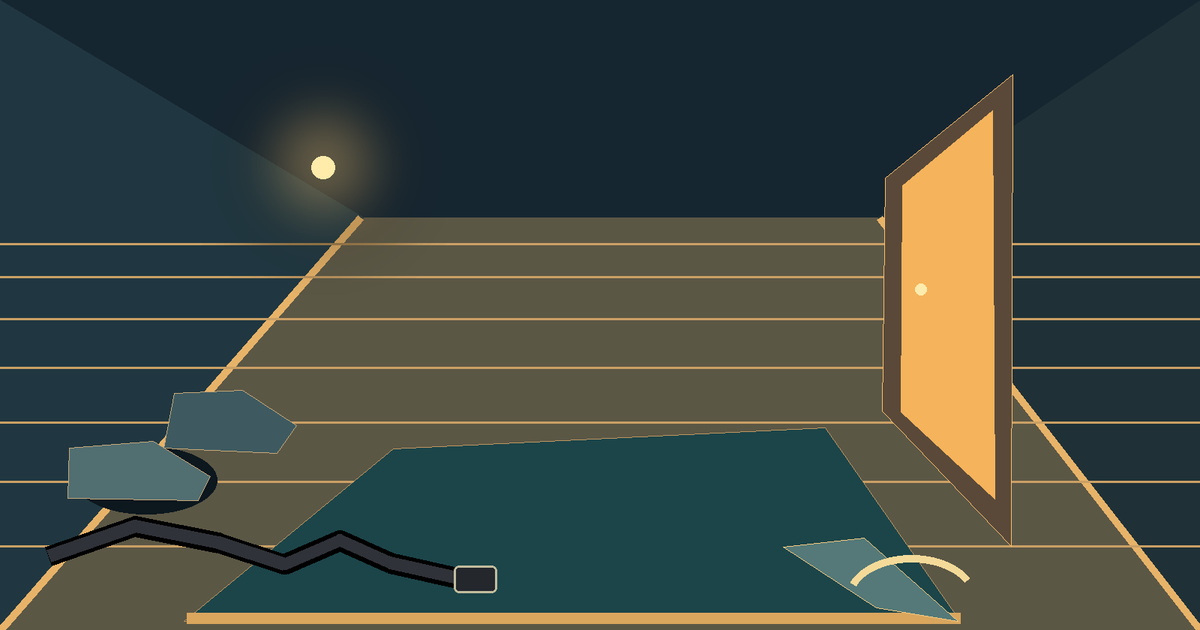
The Hallway That Tried to Trip You Twice
A free five-minute inspection of the route from bed to bathroom cannot prevent every fall, but removing obvious hazards is a practical place to begin.
Sonny Saggar, MD · 2026-11-22
Research commentary, not medical advice. Discuss personal health decisions with a qualified clinician or pharmacist.
The Claim
Falls do not always begin with a medical mystery. Sometimes they begin with a loose rug, a charging cable, an unseen step or a pair of shoes left in the dark. A person who has fallen once may become less confident, walk less and grow less steady. The sensible first question is not which gadget to buy. It is whether the route that person walks every night can be made less treacherous today [1,2].
The Four Places To Look First
Walk through the home in daylight and look at the path from bed to bathroom, the hallways, the kitchen and the stairs. Are shoes or cords crossing a walkway? Is a rug curled at the edge? Is a spill waiting on the kitchen floor? Can someone reach an existing light switch without crossing a dark patch? The National Institute on Aging recommends clear paths, secure carpets, better visibility and frequently used objects within easy reach [1]. Do not climb on a chair to perform this inspection.
What The Trials Actually Show
A Cochrane review published in 2023 combined 22 randomized studies involving 8,463 community-living older adults. Programs to assess and reduce home hazards probably reduced the overall rate of falls, with a stronger effect in people selected because they were at higher risk. In that higher-risk group the estimated reduction in fall rate was 38 percent. In groups not selected for increased fall risk, the review did not find evidence of a fall-rate reduction [3]. Crucially, many tested programs involved structured assessment and tailored interventions, not merely picking up a shoe once. A single home tidy-up cannot honestly be sold as a 38 percent personal risk reduction.
What To Do For $0
Start with the next route you will actually walk. Move loose shoes, bags, papers and charging cables out of the path. Remove an unsecured small throw rug if doing so is safe; do not pull up fixed carpeting or create a new hazard. Wipe up a spill, clear the way to an existing light switch, and place commonly used items on reachable shelves. If a chair or table obstructs a narrow passage, rearrange it with help. Use the lighting you already have rather than wandering in darkness [1,4,5]. Ask a family member to check whether the route is navigable with a walking aid.
Why The Person Matters As Much As The Floor
A home is only one part of fall prevention. Vision, gait, strength, medications, dizziness and changes in blood pressure on standing can all contribute. In 2024, the USPSTF recommended exercise interventions for community-dwelling adults age 65 or older at increased risk of falling; it advised individualized decisions on broader multifactorial programs [6]. The current NICE falls guideline also recommends comprehensive assessment for certain people with recurrent, injurious or complicated falls [2]. Do not substitute a newly tidy hallway for needed medical assessment or a tailored balance program.
The Exceptions
Do not move heavy furniture, pull rugs from under someone, balance on stools, or stop essential medication to make this exercise free. A person who is unsteady, frail, visually impaired or dependent on a walker may need assistance and an occupational therapist's structured home assessment. Grab bars, handrails and repairs may have real costs; not every hazard has a zero-dollar solution. Avoid implying that every fall can be prevented through housekeeping alone [2,3].
When To Seek Help
A fall with suspected fracture, severe pain, inability to stand, serious head injury or new confusion calls for prompt medical evaluation. Seek emergency help for loss of consciousness, stroke-like symptoms or severe injury. After a fall involving a head strike, particularly in someone taking anticoagulants, obtain urgent medical advice rather than assuming the absence of visible injury means safety. Recurrent falls, new dizziness or trouble walking deserve assessment, even when no single fall was dramatic [2,5,6].
The Fair Test
The meaningful measure is not the number of products bought or boxes checked. It is whether a person at risk can move about more safely while receiving appropriate clinical support. A five-minute clear-up is low cost and sensible, but the strongest evidence concerns targeted hazard-reduction programs with thoughtful follow-through. The best fix may be both a clear hallway and professional attention to balance, medicines and mobility [2,3,6].
Sources and receipts
- National Institute on Aging, Preventing Falls at Home: Room by Room — Source cited in the reviewed article
- National Institute for Health and Care Excellence, Falls: Assessment and Prevention in Older People and in People 50 and Over at Higher Risk, NG249, April 2025 — Source cited in the reviewed article
- Clemson and colleagues, Environmental Interventions for Preventing Falls in Older People Living in the Community, Cochrane Database of Systematic Reviews, March 2023 — Source cited in the reviewed article
- Guy's and St Thomas' NHS Foundation Trust, Falls: Staying Safe at Home — Source cited in the reviewed article
- Mayo Clinic, Fall Prevention: Simple Tips to Prevent Falls, 2026 — Source cited in the reviewed article
- U.S. Preventive Services Task Force, Falls Prevention in Community-Dwelling Older Adults: Interventions, June 2024 — Source cited in the reviewed article
From the same professional problem-solving perspective: YouTube · Spotify · Substack.